
Our Video Resources

Navigating mental health care can feel overwhelming, but understanding the treatment roadmap brings clarity and confidence. Cognitive Behavioural Therapy (CBT) is widely recognized as the gold standard in modern psychotherapy. By focusing on the direct connection between thoughts, feelings, and actions, the cognitive behavioural therapy process offers individuals actionable tools to break negative cycles and…

Depression can make even simple daily tasks feel overwhelming, leaving you feeling stuck in cycles of low energy, persistent sadness, and negative thinking. Fortunately, depression is highly treatable. Cognitive Behavioural Therapy (CBT) for depression is widely recognized as one of the most effective, evidence-based psychotherapies available. Whether you are looking for support from a therapist…

Introducing Limitless League At York Region CBT, we believe every young person deserves a space where they can learn, move, and connect at their own pace — surrounded by peers who understand and support them. That’s why we’re proud to introduce Limitless League, a truly one-of-a-kind program designed for individuals who may not learn to…
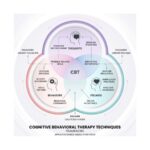
When exploring Cognitive Behavioral Therapy techniques, it helps to understand that CBT relies on three foundational interventions: cognitive restructuring, exposure exercises, and behavioral activation. Each targets the interconnected link between thoughts, feelings, and actions. At York Region CBT, our team applies these evidence-based tools alongside Emotion-Focused Therapy (EFT) and Mindfulness-Based Interventions for anxiety, depression, OCD,…

By York Region CBT Editorial Team When exploring what Cognitive Behavioral Therapy (CBT) is, it helps to understand it as a structured, evidence-based form of talk therapy. It identifies direct links between thoughts, feelings, and behaviors to effectively treat conditions like anxiety, depression, and chronic stress. At York Region CBT, located in Vaughan, Ontario, our…

When we think of a physical injury, like a broken bone, we automatically understand that it requires specific care, patience, and time to knit back together. But when a traumatic event leaves a deep imprint on the mind, the resulting injury isn’t always visible to the outside world. Posttraumatic stress disorder is not a sign…